

When you own rental properties in regions with a lot of snow, you have to plan for snow removal before the first flakes fall. When you create a lease for your rental property, it’s crucial to determine who is responsible for maintaining snow removal. That said, it’s different depending on what type of property you are renting out. If you’re curious about who is responsible for snow removal at a rental property, keep reading as we go over a few scenarios.
Who is Responsible for Snow Removal at a Rental Property?
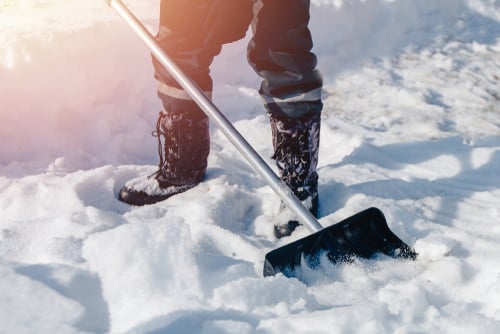
Although nobody likes bundling up to shovel the driveway during a cold and snowy day, it’s necessary for winter property maintenance. That said, rental homeowners must determine who is responsible for removing snow from the sidewalks, pathways, and driveway early in the season.
Figuring out who is responsible for snow removal at a rental property may depend on what type of home it is. Similarly, it may depend on local jurisdictions regarding snow removal. So with that, let’s go over who is responsible for removing snow at a single-family rental and a multi-family rental property.
Removing Snow at a Single-Family Rental
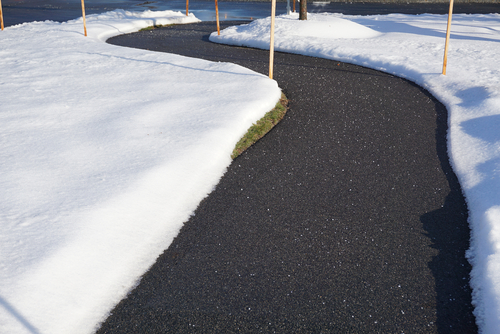
For single-family rental homes, it’s typically the tenant’s job to remove snow during the winter months. However, landlords are responsible for ensuring tenants remove snow promptly and efficiently. Sidewalks, pathways, and the driveway should be clear of snow and ice. Having a clear walkway will minimize the risk of slipping and falling on the ice.
Some local jurisdictions allow exceptions for occupants who are disabled or elderly. In addition, some communities are more lenient on snow removal compliance if a tenant cannot safely remove snow. In this case, tenants and landlords should work together to figure out an alternative snow removal method. For example, it may be helpful to work out an agreement with a neighbor or hire a snow removal service.
Either way, landlords must make sure winter responsibilities are taken care of. If a tenant is not keeping up with snow removal, don’t wait to take action. Slips, falls, and injuries can be a significant liability for landlords.
Snow Removal at a Multi-Family Property
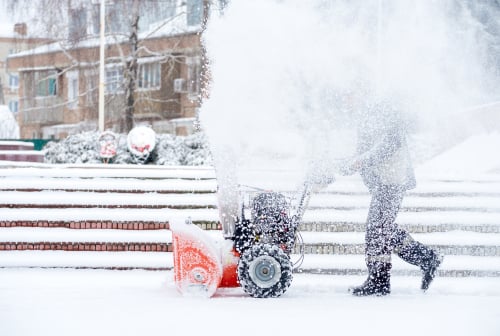
With multi-family properties, a lot of responsibilities fall on the landlord. Property owners must keep up with local ordinances and keep pathways and walkways clear of ice and snow. That said, it may be helpful to hire a vendor for this service.
Setting up a contract or agreement for snow removal early in the year is crucial. Don’t wait until the last minute to figure out how to remove snow at your rental property. That said, make sure you hire a reputable company to clear snow during the winter. For this process, it’s helpful to look at online reviews and compare companies before deciding on one.
Incentives for Tenant Snow Removal
Many landlords can work out a deal in the rental contract so that tenants are in charge of shoveling snow. This may include additional incentives like a lower rent price during winter months or other tenant benefits.
If you decide to go this route, make sure the tenant is fully capable of snow removal. Similarly, landlords should periodically check up on the property to make sure specific local ordinances are being met. Along with that, make sure that everything is written in the rental contract to avoid any misunderstandings later on.
What Are the Local Laws Regarding Snow Removal?
The laws around snow removal are essential in areas that get a lot of snow because it can be a safety concern for landlords. In addition, falls and injuries due to ice and snow are a huge liability and account for millions of dollars in claims every year.
That said, local jurisdictions and some HOAs determine snow removal standards and winter maintenance requirements. Per the Americans with Disabilities Act, property owners must adequately clear public walkways and sidewalks.
Regardless of who is in charge of removing snow at a rental property, it must get done either way. Now, let’s go over a few other maintenance basics that landlords and tenants should be aware of:
- Pathways must be cleared at least 36 inches wide per ADA standards.
- Snowbank piles may have height limitations.
- Snow removal may be time-sensitive.
- Avoid dumping snow into the street, curbs, or public property.
- Remove snow from fire hydrants, benches, or public amenities.
- Sand or salt may be required to prevent slips and falls.
Most cities, especially ones that house a lot of people, take these jurisdictions quite seriously. That said, rental property owners should do the same. If not, landlords may face fines for non-compliance. To avoid any maintenance issues, it’s crucial for landlords to keep up with property maintenance all year round.
Snow Removal Tips and Solutions for Rental Properties
When professional snow plowing services are unavailable, landlords and tenants must take action to keep walkways safe. If you own a rental home in an area that accumulates a lot of snow each winter, buying a snowplow may be beneficial. Otherwise, using a shovel to remove snow is a quick and easy way to clear walkways as well.
Safety While Shoveling
Shoveling is relatively a safe activity, but going out in cold temperatures and removing ice can sometimes be dangerous. That said, there are certain precautions that landlords and tenants should take while removing snow on the property. Let’s go over a few:
- Wear appropriate footwear, like warm boots or durable shoes
- Wear warm, breathable clothing that allows your body’s temperature to regulate
- Use a durable shovel meant for snow removal
- Bend at the knees while lifting snow to avoid hurting your back
- Remove snow in sections, keeping it away from the road and walkways
- Stay hydrated before and after shoveling
- Take breaks if you need to, try not to overwork yourself
Although it seems quite simple, winter property maintenance is a critical aspect of owning a rental home. Keep these tips in mind while preparing for snow removal at your property over the winter.
Tips for Managing Your Rental Property
Keeping up with all the tasks and responsibilities of a rental property can be a lot for one landlord. Luckily, property management companies like Bay Property Management Group are here to help you keep track of it all.
Whether you own one property or many, our professional management services can help you with various property tasks. For example, if you’re unsure of who is responsible for snow removal at a rental property, Bay Property Management Group can assist you. Some of the other services our full-service leasing team offers include:
- Tenant Screening
- Move-In and Move Out Reporting
- Maintenance Staff
- Monthly Rent Collection
- Eviction Services
- Lead Paint Compliance
- Rental Registration
- Monthly and Annual Financial Reports
With that, whether you need help occupying a vacant unit, scheduling maintenance, or returning tenant calls, Bay Property Management Group has you covered. Contact us today to learn more about the benefits of property management. We offer full-service property management in Baltimore, Washington DC, Philadelphia, Northern Virginia and surrounding counties.
