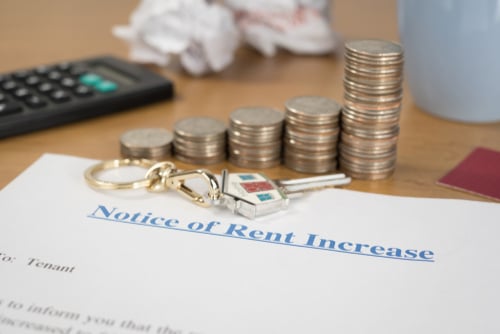
Most tenants will experience a rent increase at some point throughout their rental career. Rent increases are common and sometimes necessary to keep up with market trends, inflation rates, and rental expenses. However, although rent increases are beneficial for owners, it leaves tenants in a tough spot. Is there anything tenants can do to avoid rent increases? Keep reading as we go over some tips for tenants and ways to avoid rent increases.
Why Does Rent Increase?
Rent increases can happen for several reasons. For instance, the pandemic created several situations where rent increases were necessary. Additionally, rent increases can happen when property managers or landlords need to increase funding for repairs, maintenance, or significant property renovations.
However, the main driving factor in rent increases is the economy. Over the past few years and throughout the Covid-19 pandemic, we’ve experienced some of the highest rental rates. Additionally, more people, especially millennials, are interested in renting vs. buying a home, boosting rental rates.
Now that we’ve learned some of the reasons behind rent increases, is there anything tenants can do to avoid them? Let’s find out.
Can Tenants Avoid Rent Increases?
Unfortunately, it can be challenging to avoid rent increases, as you can’t control the housing market or inflation rates. However, changes in the market aren’t the only cause of rent increases. For instance, some landlords charge more for increased rental business costs or extensive property repairs or renovations.
Most often, rent increases happen during the lease renewal period. After the original lease, your landlord or Washington DC property managers will sometimes offer a lease renewal at a higher rate. As such, renters can decide whether to renew the lease with a higher rental rate or look for new housing.
But, is there anything renters can do to stay in the same rental and avoid rent increases? Luckily, there are some steps you can take to potentially avoid paying more for your rental during lease renewal. Keep reading to learn how to prevent rent increases and save on rent.
5 Tips to Avoid Rent Increases
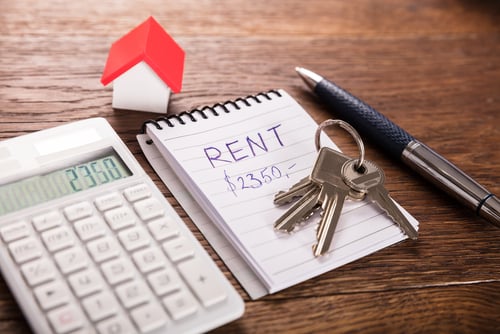
Although rent increases are sometimes inevitable, here are a few ways tenants can avoid them.
- Be a Good Tenant
- Ask For a Longer Lease
- Choose Your Location Wisely
- Pay Your Rent on Time
- Avoid Asking For Upgrades
Be a Good Tenant
Being a good tenant can go a long way when living in a rental property. Landlords value high-quality tenants that follow the lease terms, respect the property and pay rent on time each month. However, remember that being a good tenant doesn’t mean just being nice to your landlord. It’s also crucial to report maintenance concerns immediately, keep the property clean, and hold up your end of the lease terms.
If you prove to be a good tenant, your landlord may avoid increasing rent because they want to keep you as a tenant. However, don’t be afraid to bring up issues to prevent rent increases. Instead, keep communication open and honest throughout your time as a tenant.
Ask For a Longer Lease
Another way to avoid your rent increasing during a lease renewal is by asking for a longer lease to begin with. Being a long-term tenant can make your landlord less inclined to raise the rent at the end of your lease term. After all, if you love where you live, why not ask for a longer lease?
Asking for a longer lease also helps tenants save on moving costs. You have to pay another security deposit, the first month’s rent, and other moving costs when you move out of one rental into another. However, when you stay put in your rental, you can benefit yourself and your landlord by saving vacancy and moving costs.
Choose Your Location Wisely
Some locations are more likely to experience rent increases than others. That said, it’s best to choose a place with laws protecting renters from large rent increases. For instance, some areas, like California, have laws limiting the increasing amount or requiring sufficient notice before increasing rent.
Additionally, some locations have much higher rental rates than others. As such, you can avoid high rental rates or rent increases by choosing your rental location wisely, to begin with.

Pay Your Rent on Time
A landlord’s dream is for every tenant to pay rent on time and in full each month. As such, when you make a conscious effort to pay on time each month, you are more reliable. Then, if you’re a reliable tenant, your landlord may be less inclined to raise your rent.
On the other hand, if your landlord must increase rental rates, as long as you’re a good tenant, you may be able to talk them down in price. After all, they don’t have to worry about you paying it on time.
Avoid Asking For Upgrades
Even if the stove in your apartment is older than you, if you’re trying to avoid rent increases, avoid asking for upgrades. Upgrades cost money, which comes directly from your landlord or property manager’s pocket. To make up for upgrades or rental renovations, landlords may increase rental rates.
Additionally, if there’s a simple maintenance issue that you can fix, consider fixing it yourself instead of calling maintenance. For instance, a clogged sink or toilet doesn’t require a maintenance man to fix. So, if you fix it yourself, you’re saving your landlord potential maintenance costs. In turn, you may avoid rent increases this way.
What’s the Most a Landlord Can Increase the Rent?
We’ve gone over some ways to avoid rent increases, but what if your landlord increases the rent anyway? First, let’s go over when and how much a landlord can increase the rent.
Luckily, landlords can’t raise your rent whenever they feel like it. So, for instance, your next month’s rent isn’t going to be increased suddenly during your tenancy. Instead, landlords implement increases during lease renewals. So essentially, you don’t have to worry about a rent increase until your current lease ends and your landlord offers a renewal.
Your landlord has complete discretion as to how much your rent is increased, depending on your housing type. If you live in a rent-stabilized or rent-controlled apartment, then landlords don’t have as much control over the rental rates. On the other hand, if you’re renting directly from your landlord, they can essentially increase rent by however much they see fit.
However, there are certain scenarios or situations where landlords cannot raise the rent. For instance, it’s illegal for landlords to raise the rent based on discrimination or retaliation. Additionally, landlords shouldn’t raise rent without proper notice (typically 30 days) or as an attempt to force a tenant out of a property.
Next, let’s go over what you can do if your landlord raises your rent.

What to Do If Your Landlord Increases Rent
Rental increases can be highly stressful, frustrating, and confusing for renters. In fact, most people aren’t sure what to do if they receive a rental increase letter.
First, it’s important to stay calm–it’s not the end of the world. After all, panicking can make you even more overwhelmed. Next, brush up on your landlord-tenant rights when it comes to raising rent and local housing regulations. Your landlord must give you enough notice for a rent increase and have a justifiable reason for doing so.
You can always reach out to your landlord to ask about the increase. If you sit down and have a conversation about it, they may be willing to lower the increase or compromise with you on a lower rate.
Finally, if you know that your rent is being raised, it’s important to budget for it. If you’re going to be paying a higher rate than before, make sure you adjust your spending habits to account for the increase. However you choose to approach a rent increase, make sure it’s appropriate for your living situation.
Property Management Can Help
If you’re a landlord feeling like you need to raise rental rates to keep up with business expenses, it could be time to reach out for help. After all, running and maintaining a rental business alone can quickly eat up time and money. Luckily, landlords have several resources to get the help they need.
Bay Property Management Group offers comprehensive property management services, including tenant screening, rent collection, etc. So, if you’re feeling overwhelmed with the endless tasks of running a rental business, reach out to the professionals at BMG. Contact us today if you need rental management services in Baltimore, Philadelphia, Northern Virginia, or Washington DC.
