Would you ever consider leasing your Philadelphia rental property to a tenant you have never met? Most property owners would immediately say “no.” After all, meeting a prospective tenant in person leaves a valuable impression and ultimately helps determine whether they are a good fit for your property. But is there really a reason to meet a tenant in person prior to approving them to lease your property?

Several experienced landlords disagree. In fact, many landlords have screened and approved tenants they have never met in person. Some landlords meet their tenants for the first time when handing over the keys to their property. Additionally, landlords who hire high-quality Philadelphia property managers to place tenants in their rentals are not obligated to meet their tenants, thanks in large part to the thorough screening their property managers do.
If you are wondering whether you should approve tenants before meeting them, keep reading.
Key Takeaways
- You can approve tenants without meeting them in person. Applications, income verification, rental references, and legally permitted screening reports can help you evaluate applicants remotely.
- Use written, lawful screening criteria. Philadelphia landlords must provide their screening criteria before accepting an application or application fee, subject to applicable exemptions.
- Base decisions on verified information. Personal impressions, frequent job changes, or complaints about a former landlord should not replace an assessment of documented qualifications.
- Respect Philadelphia’s applicant protections. Screening must account for source-of-income protections, restrictions on eviction and credit history, and applicable fair housing requirements.
- Follow the required denial process. Depending on the circumstances, landlords must provide written reasons, screening reports, an opportunity for reconsideration, and federal adverse action disclosures.
How to Approve Tenants for Your Philadelphia Rental Property Without Meeting Them
Finding qualified tenants for your properties is a huge step in the rental process. After all, you don’t want just anyone living in your properties, as you could risk property damage, unpaid rent, or disruptions to other tenants. Some landlords believe meeting prospective renters face-to-face helps them get a better idea of how they’ll be as tenants. However, there are several ways to verify and approve tenants without meeting them first. Here’s how.
1. Have a Fair, Consistent Screening Process in Place
If you work with a Philadelphia property management company, they’ll typically handle screening on your behalf, so most of this won’t fall to you. However, if you self-manage your properties, enforcing a fair, consistent screening process is crucial.
Here are a few things you can do when screening potential tenants you haven’t met.

Verifications
You can verify a prospective tenant’s income, credit score, and rental history using a mix of phone calls, emails, and secure document portals. If they meet your criteria, there is nothing wrong with approving tenants despite not meeting them in person.
Here are some tips to help you with the initial verification of potential tenants:
- Understand the average household income in your area so that you can price your rental accordingly and assign proper income requirements to potential tenants. Apply the same requirements to every applicant. For applicants who use a housing voucher, apply the income requirement to the tenant’s portion of the rent, not the full contract rent. We accept lawful sources of income, including housing vouchers, where required by law.
- Set a written credit standard appropriate for your market, and apply it consistently to every applicant. Many landlords also consider the full picture — payment history, debt levels, and context the applicant provides — rather than relying on a single score.
- Request screening reports on every prospective tenant, using the same written criteria each time. Federal fair housing guidance discourages blanket policies that automatically reject applicants with criminal records. Where the law requires it, we review criminal history only after a conditional offer is made.
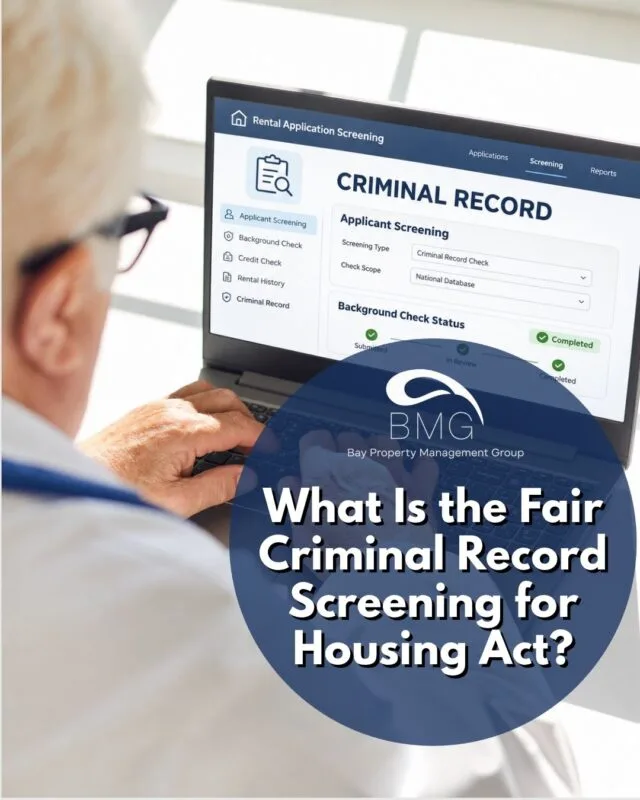
Philadelphia landlords should also be aware of the Philadelphia Fair Criminal Record Screening Standards, which require individualized assessment and limit how far back certain records may be considered, and the Philadelphia Fair Practices Ordinance, which protects source of income within city limits. Pennsylvania does not have statewide source-of-income protection, so the rules differ depending on where in the region a property is located.
When criminal history is part of our screening, we conduct an individualized assessment that considers the nature and severity of the offense, how much time has passed, and whether it is relevant to a legitimate housing concern. Applicants may provide corrections, context, and evidence of rehabilitation. We follow applicable federal, state, and local laws.
- Always apply screening criteria consistently and avoid discriminating against any protected class. Philadelphia’s protected classes are broader than federal law and include source of income, familial status, sexual orientation, gender identity, and others.
In the end, your potential tenant will either meet the criteria you set or not. Their income, credit score, and screening report information will remain the same regardless of whether you meet in person. Prospective tenants should be screened using a consistent set of criteria that may include rental history, income verification, credit review, and other factors evaluated in accordance with applicable fair housing laws, including individualized assessment of any criminal history.
Application
Receiving a completed application from an interested tenant does not have to be done in person — email or a secure document portal works just fine. However, an online application portal is even better.
If you use an online application system, you can receive the completed application and the application fee through the same portal.
With this system, there really is no need for you to meet a tenant in person to collect an application and payment. This is especially true if you have a property manager that can handle these steps for you.
References
Tenant references are an important part of the tenant screening process. Luckily, reference information is easily found on a tenant’s written application.
This means you do not have to meet with the tenant to contact their references. Using the above-mentioned methods — email or an online application system — will do.
Again, if your property manager requires an in-person application drop-off, that’s fine. However, this does not mean that you need to be present at this drop-off, and it also doesn’t mean that you need to meet a potential tenant in person before approval.
The key here is to gather information about your potential tenant from their references and other information that will not change by meeting them face-to-face.

2. Learn the Red Flags
Some red flags may alarm you about a potential tenant and can appear without ever meeting the tenant. In fact, many of these red flags will appear during the tenant screening process, a process that does not need to be done in person to be effective.
Here are some things to be on the lookout for while attempting to place a tenant in your rental property:
- Negative About Past Rentals — Pay attention to patterns in what applicants say about past landlords or properties. A single complaint about a legitimate issue is normal; a pattern of unresolved disputes may be worth asking about during reference calls. Base any decision on documented facts from references and screening reports, not on tone alone.
- Unstable Employment — Changing jobs is normal for many people. If an applicant lists numerous past jobs, take a closer look at income verification rather than making assumptions. A face-to-face meeting won’t change what the documentation shows. The real question is whether income is documented and sufficient. Verify income from all lawful sources, since steady income can come from more than one job or from sources such as housing vouchers.
- Evictions – This is a big one and not something you need to meet a tenant in person to find out. Eviction history appears in rental history and can be verified without meeting the applicant. Evaluate it using your written criteria, apply those criteria consistently to every applicant, and let applicants explain or correct what the report shows.
Frequently Asked Questions
Can You Approve a Tenant Without Meeting Them in Person?
Yes. An in-person meeting is generally unnecessary to evaluate a rental application. Landlords can verify income, contact rental references, and review legally permitted screening information remotely. Approval should depend on lawful, documented qualifications rather than appearance or personal impressions.
How Can Landlords Screen Tenants Remotely?
Start with an application and written screening criteria. Use a secure portal to collect documents, verify income from lawful sources, and contact references using independently confirmed contact information when possible. Obtain screening reports only for a permissible housing purpose, follow applicable authorization requirements, and protect applicants’ personal information.
What Screening Criteria Must Philadelphia Landlords Share With Applicants?
Subject to applicable exemptions, Philadelphia landlords must provide written or electronic screening criteria before accepting an application or application fee. Those criteria must comply with local restrictions on rental and credit history. A consistent policy alone does not make a prohibited screening requirement lawful.
Can Philadelphia Landlords Reject Applicants Who Use Housing Vouchers?
Landlords cannot reject applicants because they use housing vouchers or another protected source of income. Philadelphia protects housing assistance as a lawful source of income and requires landlords to complete necessary voucher paperwork promptly. Applicants may still be evaluated using lawful screening criteria that account for the assistance they receive.
Can a Philadelphia Landlord Deny an Applicant Because of an Eviction Record or Low Credit Score?
Philadelphia prohibits blanket exclusions based solely on an eviction record, credit score, or tenant screening score. Certain eviction records cannot be used as grounds for denial at all. Landlords must follow the city’s restrictions and evaluate the applicant’s individual circumstances rather than automatically rejecting anyone with a record or low score.
Should Frequent Job Changes or Complaints About a Former Landlord Affect Approval?
Neither should automatically disqualify an applicant. Focus on verified income and documented rental history. Job changes do not necessarily mean someone cannot pay rent, and income may come from sources other than employment. Complaints about repairs, discrimination, or other legitimate concerns should not be treated as evidence that someone would be a poor tenant.
What Notices Are Required When a Rental Application Is Denied?
For applications covered by Philadelphia’s requirements, landlords must provide written or electronic reasons for denial within three business days and copies of third-party reports used in the decision. Applicants have a right to dispute information or seek reconsideration, subject to the city’s deadlines.
If a consumer report contributed to the decision, the landlord must also provide the disclosures required by the Fair Credit Reporting Act. These include the name and contact information of the credit reporting agency that provided the report, a statement that the agency did not make the denial decision, notice of the applicant’s right to dispute inaccurate information, and notice of their right to request a free copy of the report within 60 days.
Use High-Quality Property Management to Select Tenants
In the end, you really don’t need to meet a prospective tenant before approving them for your rental. All of the important information that is needed for approval is easily gathered through other means and gives you a clear picture of whether a tenant meets your criteria.

If you own rental property in the Philadelphia area and are looking for an experienced, knowledgeable, and friendly property management team to help manage your property, look no further than Bay Property Management Group. We focus solely on property management, offer competitive monthly management fees, and implement a consistent tenant screening process so you do not need to meet applicants in person before approval.
Start enjoying your life and lessen the stress of owning a rental property by contacting Bay Management Group today.