
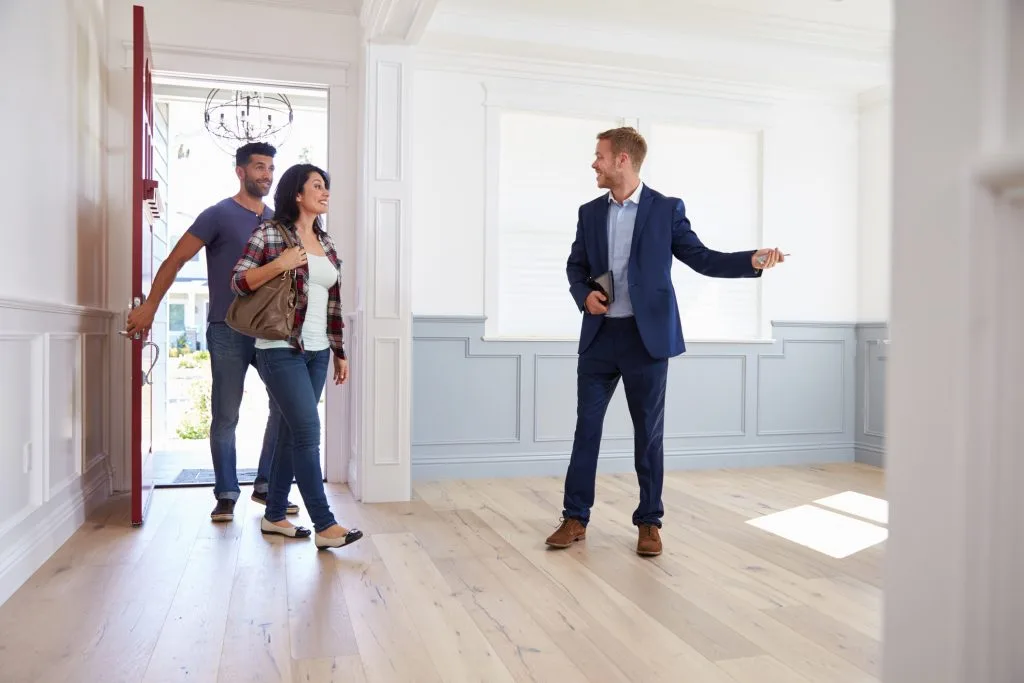
Facilitating property tours for prospective tenants is an essential part of being a landlord. In fact, this step in the process is just as crucial as marketing to and screening potential renters. Most landlords realize that showing their property in the best possible light is crucial. Sometimes a deep clean, staging furniture, or boosting curb appeal is necessary before offering rental property tours. However, getting a tenant to sign a lease agreement takes more than a nice exterior and inviting interior. So, with that in mind, check out our top tips for showing an unoccupied rental property below.
Main Takeaways
- Preparing and cleaning a rental before a showing can help landlords make a strong first impression on prospective tenants.
- Pre-screening can save time, but landlords should use consistent rental criteria and follow applicable federal, state, and local screening laws.
- Landlords should confirm appointments and take reasonable safety precautions before meeting prospective tenants for a property tour.
- Knowing the property’s features and surrounding area can help landlords answer questions during a showing.
- Following up after a rental property showing gives prospects a chance to ask questions and take the next step toward applying.
6 Tips for Wowing Tenants with Your Rental Property Showing
Creating an attractive rental ad with quality photos is only half the battle when appealing to new tenants. Baltimore property management companies know that while a strong listing can grab a renter’s attention, the property showing gives them a closer look at the home. Therefore, both you and the property should be ready. To get you on track, check out these tips.
- Don’t Overlook the Basics
- Pre-Screen Interested Applicants
- Take Precautions to Protect Yourself
- First Impressions are Lasting Impressions
- Come Informed and Prepared
- Follow-Up
Don’t Overlook the Basics
No matter what type of property you have, there are some universal steps to making it ready for rental property tours.
- First Impressions – Do not underestimate the power of curb appeal! The property should be inviting and present as well-maintained to prospective renters upon arrival. So, make sure the yard is well maintained, any debris or trash is removed from the yard, and the exterior is cleaned. If necessary, consider a power wash to remove built-up dirt on siding, foundation, or walkways.
- Clean, Clean, Clean – Nothing turns a potential tenant away faster than a dirty home interior. Therefore, be sure to inspect the property beforehand and make sure it is clean. Remove any lingering dust and freshen with room air refreshers if needed. Overall, cleaning a rental property before listing is a critical point in the turnover process as this too creates a lasting first impression.
- Redecorate or Upgrade – Sometimes, cleaning just will not do, and some upgrades are a must. One of the most common upgrades landlords encounter is replacing the carpet or repainting. In addition, however, your property may benefit from updated lighting fixtures, new window treatments, or even new appliances. In the end, these selling points will make a huge difference in whether a tenant is interested in leasing a property.
Pre-Screen Interested Applicants
 Thorough tenant screening can help landlords evaluate applicants using established rental criteria and reduce the risk of future tenancy issues. However, screening can begin well before the application process. So, before you begin showing a property to interested tenants, take time to pre-qualify them. This can save time and help landlords focus their showings on prospective tenants who meet their established rental criteria.
Keep in mind that pre-qualifying tenants for a property cannot violate applicable Fair Housing laws. Federal, state, and local laws prohibit housing discrimination based on certain protected characteristics, and additional protections may apply depending on the property’s location.
With that in mind, consider asking some of the questions below:
- Do you meet the rental criteria outlined for this property?
- How long have you been in your current home?
- Why are you looking to move?
- What is your projected move-in date?
- How many occupants will be living in the unit?
- Will you be bringing any pets to the property?
- The property is non-smoking; are you able to comply?
- What are you looking for in your next home?
Take Precautions to Protect Yourself
Before showing a rental property, put your safety first. Sadly, several realtors, property managers, and landlords are injured each year while showing homes to prospective tenants. Thus, if someone calls asking to see a rental home, before a showing, confirm the prospect’s name and contact information, let someone know where you’ll be, and take reasonable precautions to protect your safety. In addition, here are some ways you can protect yourself from potentially harmful situations while conducting rental property tours –
- Always show properties during the daytime, never after dark
- Ensure a family member or colleague knows who you are with and where you will be
- Check in with your office or contact frequently to let them know where you are
- Introduce yourself to neighbors, so they are familiar with you and your vehicle
- Have an “escape” plan in place for when something feels “off” (for instance, take an emergency phone call outside or inform the potential tenant another agent is on the way)
- Always leave all doors unlocked and stand by the doorways while showing the property
- Park on the curb rather than the driveway for a quick getaway, if necessary
Gathering information ahead of time about potential tenants is critical. Always be aware of your surroundings, as ensuring your safety will result in more successful property showings.
First Impressions are Lasting Impressions
 When conducting rental property tours, the property is not the only thing being judged. Keep in mind that prospects are also making assumptions about the landlord, their communication promptness, how they conduct business, and how well they maintain the property.
Small, seemingly insignificant (yet very effective) things you do before, during, and after rental property tours will leave a lasting impression on potential tenants that view the home. With that in mind, check out these tips for showcasing both the property and you as a landlord below –
- Call and confirm scheduled showings a few hours beforehand
- Set the temperatures in the rental to be comfortable upon arrival
- Turn on all of the property’s lights
- Open interior doors before the showing so prospects can easily view each room.
- Dress professionally and check your personal hygiene
- Smile when you greet tenants, shake their hands, and formally introduce yourself
- Show them the grounds, both on and off the property (for example, the pool, gym area, laundry facility, parking structures, BBQ areas, or roof decks)
- Create a property reference sheet the prospect can take with them to remember your unit. This should include general information about the property, pictures, square footage, monthly rent and deposit amounts, number of bedrooms and bathrooms, extra amenities, and standard qualifications.
- Have applications ready for tenants to fill out immediately following the showing
In short, making a tenant feel welcome, at ease, and well informed about the property can go a long way in securing a lease agreement.
Come Informed and Prepared
Successful landlords must be knowledgeable on both the property and the perks of the surrounding area. Typically, people choose certain locations because they like the neighborhood or have heard it is great for one reason or another. So, emphasize the area’s selling points such as –
- Nearby restaurants
- Shopping
- Entertainment
- Local attractions
- Parks or community outdoor spaces
- Proximity to commuter routes or public transit
The more information you can give potential tenants on the spot, the better equipped and more trustworthy you will seem. Plus, this information could sway them to make a quicker decision and possibly forgo viewing other properties.
Follow-Up After the Showing
Customer service is a major factor involved in rental property tours and marketing. Part of great customer service is diligent follow-up. That said, consider reaching back out to prospects the next day after their tour to see if they have any questions you can help with. Ask if there is anything you can do to help them complete an application or if they indicate they are no longer interested, be sure to wish them well.
Although this seems trivial, a little kindness can go a long way in deciding which property to call home. In the end, the way you present yourself as a landlord to potential tenants can make all the difference. So, taking the proper steps before every showing, going above and beyond when showing, and promptly following up makes it a win-win situation for everyone.
 FAQs About Showing a Rental Property
 FAQs About Showing a Rental Property
A successful rental property showing involves more than opening the door and walking prospects through the rooms. Preparing the property, communicating clearly, and knowing what prospective tenants may want to ask can make the process run more smoothly.
How should you prepare a rental property for a showing?
Start by cleaning the property, handling necessary repairs, and making sure the exterior looks well-maintained. Before prospects arrive, turn on the lights, set a comfortable temperature, and make each room easy to view.
Should landlords pre-screen tenants before a showing?
Landlords can use consistent pre-screening criteria to determine whether a prospective tenant meets basic rental requirements before scheduling a showing. However, landlords should make sure their questions and screening practices comply with applicable federal, state, and local laws.
What should landlords bring to a rental property showing?
Bring information that helps you answer common questions about the property. This may include the monthly rent, security deposit, lease terms, amenities, utility information, application requirements, and details about the surrounding area.
How can landlords stay safe during rental property showings?
Confirm the prospect’s contact information before the appointment and let someone know where and when you’re conducting the showing. Landlords can also schedule showings during daylight hours, stay aware of their surroundings, and keep a phone nearby.
Should you follow up after showing a rental property?
Yes. Follow up with the prospective tenant after the showing to answer any additional questions and explain how to apply if they’re interested. Keep the communication professional and avoid pressuring them to make an immediate decision.
Stress-free Rental Property Tours with Professional Management
Every day a rental property sits vacant is a missed opportunity for landlords. After all, if it is not making you money, it costs you money. Therefore, an efficient marketing process, effective rental property tours, and thorough screening are vital to reaching your profit potential. While landlords can do this alone, why not rely on the experience of trusted industry professionals?
Bay Property Management Group is the area’s go-to source for dedicated property managers who guide owners through every step of the rental process. Whether you need help managing an occupied unit or need help finding your next great tenant, BMG can help. So give us a call today to learn more about how our targeted marketing and full-service rental management approach can benefit you.

Making tenants go through a pre-qualification sounds like a smart thing to do. After all, you want to make sure that the tenant will stay in the property for a while and they can pay for it as well. I would want to know that they will take care of the property as well.